Skip to content

What Are Boiler Suits? History, Materials and Workplace Use
- by Mike Johnson
Browse the full range here → Boiler Suits & Coveralls Collection
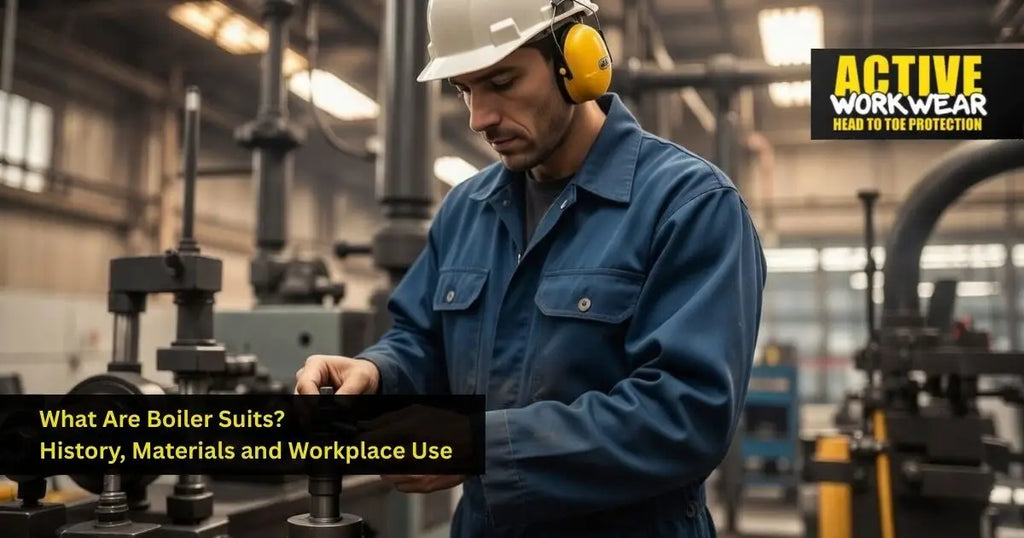
Boiler suits are a long-standing staple of industrial workwear. Originally designed to protect workers from dirt, oil and hazardous substances, they remain one of the most practical all-in-one garments for demanding environments. From engineering workshops to construction sites, boiler suits are valued for their durability, full-body coverage and straightforward design.
Over time, boiler suits have evolved in terms of materials, compliance standards and job-specific features. Below, we outline where they originated and why they continue to play an important role in modern workplaces.
The Origin of the Boiler Suit
The term “boiler suit” originates from workers who maintained coal-fired boilers. These environments were hot, dirty and often hazardous, requiring protective clothing that covered the entire body. The one-piece design prevented soot, grease and debris from entering underneath clothing while reducing the risk of garments catching in machinery.
As industries developed, the design evolved into what many now refer to as coveralls. While the terms are often used interchangeably, traditional overalls feature a bib and braces, whereas boiler suits (or coveralls) are full-length, all-in-one garments with sleeves and a front fastening.
Why Boiler Suits Remain Essential in Modern Workwear
Modern boiler suits are built for more than basic protection. Today’s designs focus on durability, comfort and compliance with workplace standards.
- Full-body coverage against dirt, oil and minor splashes
- Reinforced stitching for high-wear environments
- Elasticated waists for improved fit and comfort
- Secure fastening systems such as zips or concealed stud fronts
Boiler suits are widely worn across construction, engineering, automotive workshops, utilities and industrial manufacturing. In environments requiring visibility compliance, hi viz coveralls are used to improve worker safety and meet recognised standards such as EN ISO 20471.
Materials Used in Boiler Suits
Most boiler suits are manufactured using polycotton blends, combining the comfort of cotton with the durability of polyester. This makes them breathable for daily wear while remaining resistant to tearing and repeated washing.
Depending on the working environment, additional fabric technologies may be required:
- Cotton drill – suitable for general trade use
- Flame-retardant treated fabrics – required for welding and higher-risk environments. See our range of flame retardant coveralls.
- Water-resistant fabrics – suitable for outdoor or utility roles
Material selection should always reflect workplace hazards, compliance requirements and environmental exposure.
Boiler Suit Colours and Workplace Standards
Boiler suits are available in colours such as navy, black, green, red and high-visibility options. Navy remains one of the most commonly chosen colours across industrial sectors as it conceals dirt effectively while maintaining a professional appearance.
Where higher visibility is required, fluorescent fabrics and reflective tape are incorporated to meet workplace regulations. If you are unsure about classification requirements, our guide to EN ISO 20471 classes explains how garments are rated for visibility performance.
Boiler Suits in Today’s Workplace
Although originally developed for boiler maintenance roles, the boiler suit has become a reliable garment across a wide range of industries. Its strength lies in its simplicity: a single garment that protects underlying clothing while allowing freedom of movement.
From mechanics and engineers to site managers and maintenance teams, boiler suits continue to provide dependable protection in demanding environments.
Final Thoughts
Boiler suits have progressed from their industrial origins into a modern essential for trade professionals. Whether prioritising durability, compliance or everyday practicality, selecting the correct specification makes a noticeable difference in comfort and on-site performance.
To explore available styles, materials and safety-rated options, browse our full Boiler Suits & Coveralls collection.
Frequently Asked Questions
What is the difference between a boiler suit and a coverall?
In most modern workplaces, a boiler suit and a coverall refer to the same one-piece garment. Traditionally, overalls differ as they feature a bib and braces rather than full upper-body coverage. When browsing product listings, always check garment specifications to confirm design, fastening type and fabric weight.
Are boiler suits suitable for welding work?
Standard boiler suits are not always suitable for welding or high-heat tasks. In these environments, flame-resistant garments are required. Always select certified flame-retardant coveralls that meet relevant safety standards for your industry.
Do boiler suits need to meet safety standards?
Depending on the working environment, boiler suits may need to comply with specific safety standards such as high-visibility requirements under EN ISO 20471 or flame-resistance regulations. Employers should verify compliance requirements before selecting workwear.
What material is best for a boiler suit?
Polycotton blends are commonly used as they balance comfort, durability and ease of maintenance. For higher-risk environments, specialist fabrics such as flame-retardant treated cotton or waterproof materials may be required. The correct choice depends on job role, exposure risks and compliance obligations.
How should a boiler suit fit for workplace use?
A boiler suit should allow full range of movement without being excessively loose. Features such as elasticated waists, action backs and reinforced seams improve comfort and durability during daily use. Always refer to sizing guides and consider layering requirements when selecting a garment.
- Posted in:
- blaklader workwear
- boiler suit
- boilersuits