Skip to content

Why Tranemo Workwear Stands Out: A Safety Expert's Review
- by Mike Johnson
You're working in an environment with risks of electric arc, molten metal splashes, or chemical exposure. Would your current workwear protect you if the worst happened? Tranemo workwear tackles these critical safety concerns with solutions that go beyond basic protection.
When it comes to Flame retardant workwear, Tranemo stands apart by using only inherent flame retardant fibres that cannot be worn or washed out of the fabric. This essential difference ensures your protection remains consistent throughout the garment's lifetime. Their multi-hazard approach addresses workplace dangers simultaneously, from heat and flame to electric arc and chemical exposure [-2].
What truly sets Tranemo apart?
Their commitment to functionality alongside protection. Their garments are designed to fulfil as many safety requirements as possible while remaining comfortable to wear. This practical philosophy ensures you stay protected when it matters most, particularly in ATEX classified environments or when working with molten metals.
Their commitment to functionality alongside protection. Their garments are designed to fulfil as many safety requirements as possible while remaining comfortable to wear. This practical philosophy ensures you stay protected when it matters most, particularly in ATEX classified environments or when working with molten metals.
At Active Workwear, we understand that choosing the right protective equipment can make the difference between staying safe and facing serious injury. This expert review examines how Tranemo workwear performs in real-world conditions and why their approach to safety deserves your attention.
The Safety Expert's First Impression
Opening the Tranemo workwear package immediately revealed how different these garments feel compared to standard work clothing. As a safety expert with over a decade of experience evaluating protective equipment, certain details catch your attention straight away.
Initial Inspection of Materials and Stitching
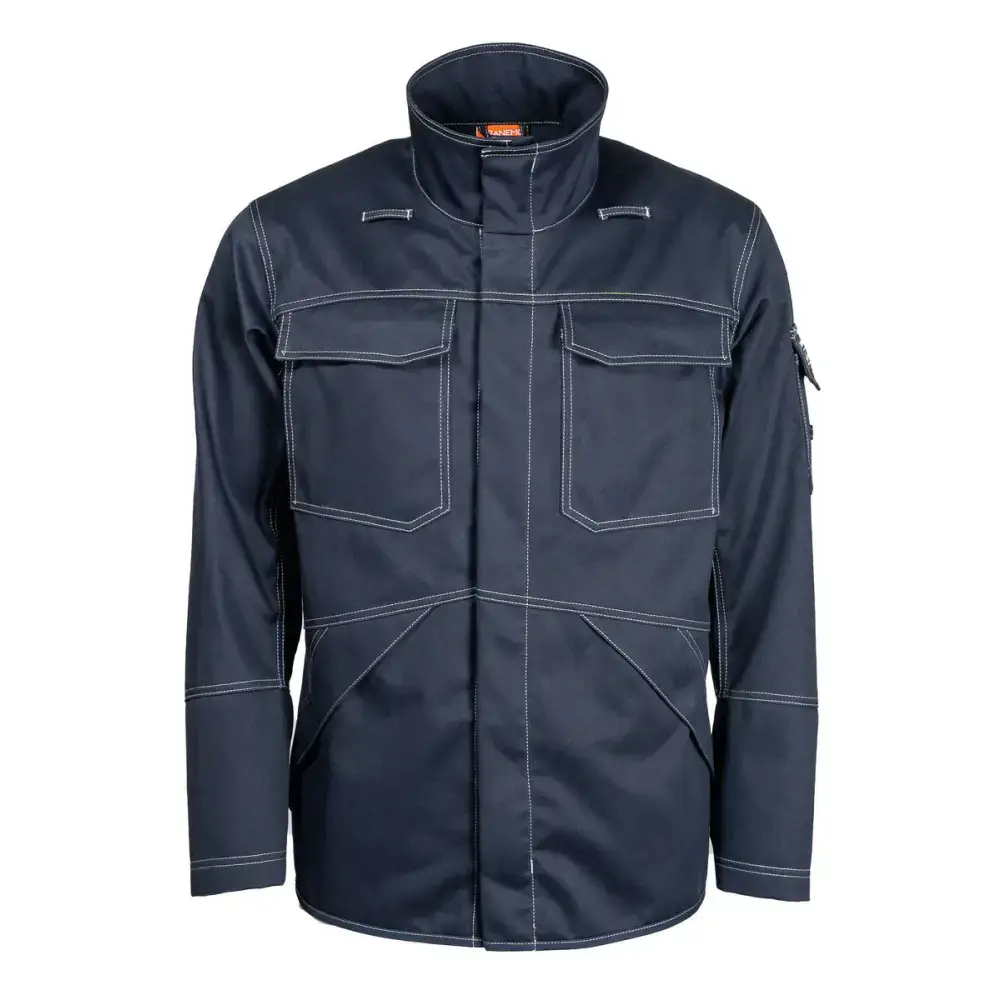
The immediate tactile difference of Tranemo workwear is striking. The fabric has substantial weight yet remains supple, a balance that's difficult to achieve in flame retardant clothing. Running my fingers along the seams revealed reinforced stitching with no loose threads or weak points, even at stress areas like pockets and closures.
What truly stands out is Tranemo's meticulous construction. Double-stitched seams use flame-resistant thread throughout, a crucial detail often overlooked by lesser manufacturers who sometimes use standard thread for certain components, creating potential failure points during heat exposure.
The material itself deserves special mention. Unlike treated fabrics that eventually lose their protective properties, Tranemo uses inherently flame retardant fibres that maintain their protective qualities throughout the garment's lifespan. This becomes particularly important after multiple washing cycles when treated alternatives begin to degrade.
Fit and Comfort During Movement
Safety workwear often gets criticised for being restrictive. Tranemo seems to have solved this challenge through thoughtful design. The articulated knees and elbows create natural movement zones that flex with your body rather than against it.
During extensive testing that included climbing, crouching, reaching overhead and other common workplace movements, the garments moved naturally without riding up or creating pressure points. This freedom of movement is essential for workers who need to maintain focus on hazardous tasks rather than constantly adjusting uncomfortable clothing.
The weight distribution across shoulders and hips is remarkably balanced, reducing fatigue during extended wear. The collar design deserves recognition, it stays properly positioned without chafing against the neck, a small but significant comfort feature during long shifts.
First Thoughts on Design and Usability
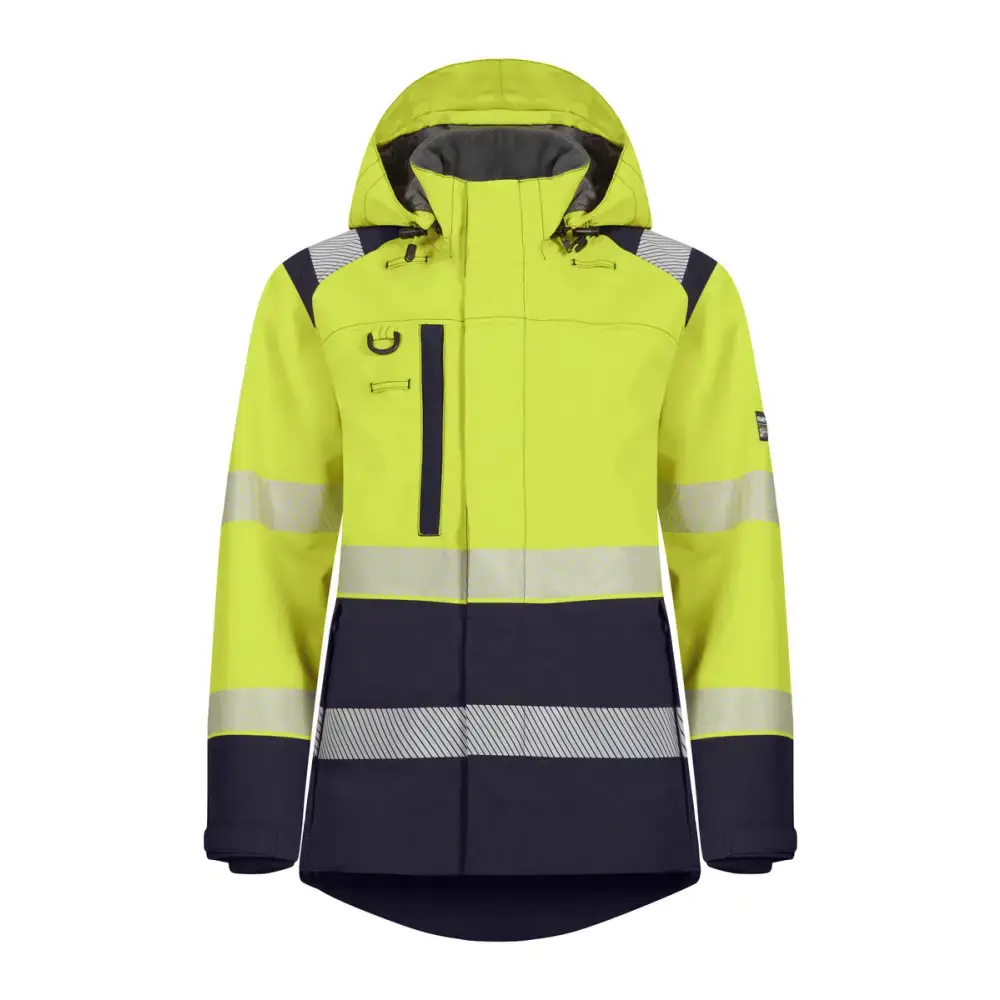
Beyond protection and comfort, Tranemo's practical design elements demonstrate a deep understanding of real-world working conditions. Strategic pocket placement allows access to tools without compromising protection zones. The visibility features are integrated thoughtfully rather than applied as afterthoughts.
Most impressive is how Tranemo balances comprehensive protection with practical usability. Many competing flame retardant garments achieve safety by essentially creating impenetrable barriers—effective for protection but impractical for all-day wear. Tranemo has managed to incorporate ventilation zones in lower-risk areas while maintaining critical protection where it matters most.
The closure systems merit special mention, from YKK zippers to reinforced buttons and hook-and-loop fasteners, each is selected for both reliability and ease of operation, even when wearing gloves. This attention to detail extends to the washcare labels, which provide clear instructions for maintaining the protective properties over time.
For a safety professional, these initial impressions suggest Tranemo has successfully merged the often competing priorities of protection, comfort and functionality, creating workwear that workers will actually wear properly, the ultimate prerequisite for any safety equipment to fulfil its purpose.
How Tranemo Handles Real Workplace Hazards
The true value of protective workwear emerges only when faced with genuine workplace dangers. Whether you're working near electrical panels, handling molten metals, or dealing with chemical splashes, Tranemo's approach to safety becomes evident through their rigorous certification strategy and specialised material selection.
Protection Against Electric Arc Exposure
Ever wondered what happens when an electrical fault creates an arc flash? The intense heat and energy can cause devastating burns in milliseconds. Tranemo's electric arc protection stands out through their dual testing methodology. Their garments undergo both the Open Arc test (EN IEC 61482-1-1) and Box test (EN 61482-1-2), providing thorough protection verification.
What makes Tranemo different? They report ELIM values, indicating the energy level garments can withstand with zero probability of second-degree burns, alongside traditional ATPV or EBT values. This isn't just technical jargon; it's the difference between 50% protection and aiming for 100% safety.
Consider their Tera TX Arc 2 collection. This two-layer system offers APC 2 certification, protecting against arc flash incidents up to 7 kA. This makes them suitable for personnel working in electrical power distribution or production environments where arc flash risks are constant.
Tranemo's long-sleeved T-shirts achieve an impressive ELIM value of 8.3 cal/cm² in a single layer. No need for bulky multiple layers in environments requiring basic arc protection. For higher-risk areas, their multi-layer Skinsafe™ system provides protection greater than individual layers combined, without compromising comfort.
Performance in Welding and Smelting Environments
Picture working in a foundry where molten metal sparks fly constantly. Standard clothing would be useless here. Tranemo's effectiveness in metal processing environments centres around their specialised collections designed for these exact challenges.
Their welding garments conform to EN ISO 11611, with classifications reflecting different protection levels, Class 1 for light welding and Class 2 for heavy welding work. The Cantex 57 range delivers the highest stipulated protection against molten iron (E3), while their Magma collection is specifically developed for primary aluminium works, certified with the highest protection against both aluminium (D3) and iron (E3).
Tranemo goes beyond standard requirements. They conduct in-house fabric tests combining both welding and grinding/cutting processes. Why does this matter? Grinding and cutting typically produce spatter at levels higher than the 25 drops used in Class 2 testing.
Their welding collections include specialised accessories such as welding aprons, protective sleeves, and balaclavas, creating complete protection solutions. The garments feature reinforcements in vulnerable areas and enhanced protection against radiant heat.
Chemical and Petrochemical Resistance
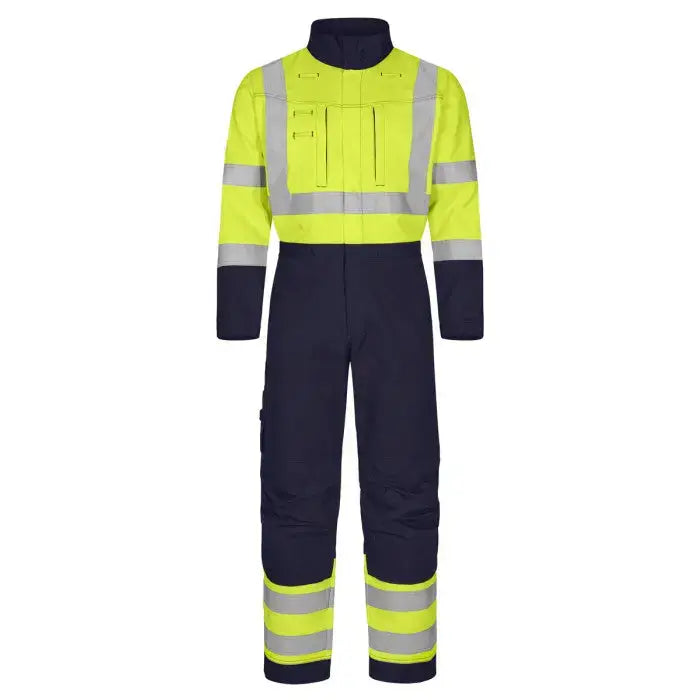
Chemical exposure poses invisible dangers that can cause immediate harm or long-term health effects. For chemical and petrochemical environments, Tranemo offers protective clothing certified to EN 13034, EN 1149-5, and EN ISO 11612.
To achieve EN 13034 certification, their fabrics must obtain at least level 3 for liquid repellency and level 2 for penetration resistance for at least one chemical. Tranemo has made significant advances in sustainability by developing PFAS-free finishes that meet EN 13034 requirements for acid and alkaline protection.
Their Cantex Weld Stretch is the first collection featuring this environmentally friendly finish that complies with EN 13034. The company's anti-static garments (EN 1149-5 certified) minimise spark risks in explosive environments. When electric arc hazards exist alongside chemical exposure, Tranemo offers garments certified to both EN 61482-2 and EN 13034.
Here's something crucial: garments with EN 13034 certification require heat reactivation after washing to maintain their protective properties. Tranemo recommends using industrial laundry services that can properly reactivate and, when necessary, re-impregnate the protective finish.
Flame Retardant Workwear: What Sets It Apart
"Being able to wash the gear regularly without fear of degrading it's inherent flame retardant properties was a big attraction." — MIG Welding Forum User, Professional welder evaluating workwear durability
Ever wondered what makes quality flame retardant workwear different from standard options? The answer lies in the technology behind the protection. Tranemo's approach to flame retardant workwear stands out in three critical areas that safety professionals should consider.
The Critical Difference: Inherent vs Treated Fabrics
The most fundamental distinction in flame retardant workwear lies in how the protection is achieved. Tranemo exclusively uses inherent flame retardant fabrics, meaning the protection is built directly into the fibre structure and cannot be washed out or worn away. This contrasts starkly with treated fabrics, which undergo chemical processes to add flame resistance that can potentially degrade over time.
Here's what matters: Inherently flame retardant fabrics maintain their protective qualities throughout the garment's entire lifecycle. Research has shown that some treated fabrics may lose their flame resistant properties after just 10 washes. Although inherent fabrics typically cost more initially, their longer service life often delivers better value over time.
Tranemo's fabrics, including their Cantex and Tera TX ranges, feature inherent protection coupled with PFAS-free construction. This demonstrates their commitment to both safety and sustainability.
Smart Protection Through Strategic Layering
Tranemo's Skinsafe™ system represents a distinctive approach to flame retardant protection through strategic layering. Rather than relying on a single thick layer, this system utilises multiple thin layers to create lightweight protection with superior freedom of movement.
The system functions through three primary components:
- Layer 1 (Skin Protection): Inherent flame retardant underwear that won't melt onto skin
- Layer 2 (Insulation): A mid-layer creating distance between inner and outer layers
- Layer 3 (Shield): The outer protective layer designed for specific workplace hazards
What truly sets this approach apart is how the air gaps between layers actively contribute to protection. These gaps have low thermal conductivity, blocking heat transfer while simultaneously providing insulation against cold. When layers are combined, the level of protection increases beyond what each individual layer offers alone.
Comfort That Doesn't Compromise Safety
Despite providing robust protection, Tranemo prioritises wearer comfort through thoughtful material selection. Their merino wool base layers offer natural flame retardancy while providing excellent moisture management properties. This natural fibre retains heat even when damp and resists odours during extended wear.
Tranemo's range includes varying thicknesses for different environmental conditions, from lightweight options for active work to heavier versions for extreme cold. Their approach balances the competing demands of protection and comfort, recognising that even the most protective workwear fails if workers find it too uncomfortable to wear properly.
Through this multifaceted approach to flame retardant technology, Tranemo delivers workwear that provides solid protection without sacrificing the practical needs of daily wear in demanding environments.
Certifications That Matter in the Field
Certifications serve as objective measures of protective workwear performance, turning safety claims into verifiable facts. For Tranemo workwear, these standards aren't just compliance checkboxes, they're foundational design principles that guide product development.
Understanding ELIM Values
Ever wondered why some protective clothing fails when you need it most? ELIM (Incident Energy Limit) represents a significant advancement in protective clothing assessment. Unlike the traditional ATPV (Arc Thermal Performance Value) or EBT (Energy Break Open Threshold) that indicate a 50% probability of protection, ELIM values specify the maximum energy level at which there is a 0% probability of a second-degree burn. This means garments with ELIM certification provide a higher protection performance level with aim for 100% probability of protection rather than just 50%.
Tranemo prominently displays ELIM values alongside ATPV/EBT on their electric arc protective clothing. Their Cantex Arc 25+ offers an impressive ELIM value of 27 cal/cm², whilst their two-layer trousers achieve an ELIM of 15.0 cal/cm². The difference between these values highlights the importance of choosing appropriate protection based on risk assessment.
Why EN ISO 11612 Is Critical
EN ISO 11612 stands as the cornerstone standard for heat and flame protection, defining minimum performance requirements for clothing that shields wearers against various thermal hazards. The standard employs a coding system that quantifies protection levels:
- Code A: Limited flame spread (A1 or A1+A2)
- Code B: Convective heat (B1 to B3)
- Code C: Radiant heat (C1 to C4)
- Code D: Molten aluminium splash (D1 to D3)
- Code E: Molten iron splash (E1 to E3)
- Code F: Contact heat (F1 to F3)
These codes enable precise matching of protective qualities to workplace risks. For certification, garments must achieve at least two categories, Code A plus one other code letter. Tranemo's flame retardant workwear typically exceeds these minimum requirements.
The Role of EN 61482-2 in Arc Flash Safety
Working with electrical systems? EN 61482-2 specifically addresses protection against electric arc hazards, a critical standard for workers in electrical environments. The certification involves two distinct test methods: Open Arc (EN IEC 61482-1-1) and Box test (EN 61482-1-2).
The Open Arc test measures protection in calories per square centimetre (cal/cm²), offering precise energy threshold measurements. The Box test results in APC (Arc Protection Class) ratings: APC 1 for lower protection (4kA, 400V) and APC 2 for higher protection (7kA, 400V).
Tranemo recommends a minimum protection level of 8 cal/cm², noting that even APC 1 represents a relatively low protection level. Their garments frequently achieve higher ratings, with some winter jackets reaching ELIM values of 30.0 cal/cm².
Sustainability meets safety
Tranemo proves that environmental responsibility doesn't mean compromising protection. Their approach spans multiple aspects of production and product design, creating workwear that protects both workers and the planet.
PFAS-free and chemical reduction efforts
Tranemo introduced their groundbreaking Cantex Weld Stretch collection in 2021, the world's first inherently flame retardant range providing chemical protection while being completely PFAS-free. This milestone marked the beginning of their journey to eliminate these persistent chemicals from their products. Their popular Tera TX fabric is now produced 100% PFAS-free, representing a significant achievement in their sustainability roadmap.
The company participates in the Swedish non-profit organisation ChemSec's 'No to PFAS' movement, actively influencing chemical legislation implementation. Tranemo will exclusively source PFAS-free fabrics by 2025, with one exception, their Apex range for protection against specific chemical hazards.
Durability and lifecycle of garments
Research Institutes of Sweden (RISE) confirms that doubling a garment's active lifetime reduces its carbon footprint by 49%. Tranemo addresses this through rigorous material testing and reinforced construction in high-wear areas. Their "Repair Kit" contains flame retardant trims and fabrics enabling on-site fixes for minor issues.
Eco-design and European manufacturing
90% of Tranemo's manufacturing takes place in Europe, minimising transport emissions whilst maintaining strict quality control. They've reduced farmed cotton use by incorporating 50% recycled cotton into their flame retardant fabrics. Their in-house garment design team in Sweden focuses on longevity, creating patterns with minimal waste, achieving 88% fabric utilisation during production.
At Active Workwear, we value manufacturers who demonstrate that safety and environmental responsibility can work hand in hand. Tranemo's commitment to both worker protection and planet protection makes them a trusted choice for forward-thinking businesses.
Conclusion
Tranemo workwear represents a significant step forward in protective clothing technology. Throughout this review, we've seen how their approach differs from standard offerings, starting with inherently flame retardant fibres that maintain protection throughout the garment's entire lifecycle.
Safety professionals know that effective protection must balance multiple competing priorities. Tranemo has developed workwear that addresses several workplace hazards simultaneously while remaining comfortable enough for all-day wear. Their strategic layering systems provide protection greater than the sum of individual components, creating lightweight yet highly effective barriers against heat, flame and electric arc hazards.
What truly distinguishes Tranemo from competitors? Their commitment to measurable safety standards. Rather than simply meeting minimum certification requirements, they pursue higher ELIM values that aim for zero probability of injury instead of the industry-standard 50% threshold. This philosophy extends across their entire range, whether designed for welding environments, chemical exposure or electrical work.
Tranemo demonstrates that sustainability needn't compromise safety. Their PFAS-free fabrics and European manufacturing showcase a forward-thinking approach to environmental responsibility without sacrificing protective qualities. The durability of their garments further reduces environmental impact while providing better long-term value.
When selecting workwear for hazardous environments, you need absolute confidence in your protection. Tranemo's meticulous attention to detail, from reinforced stitching to strategic pocket placement, reflects their understanding that small design decisions can have life-changing consequences during workplace incidents.
Quality protective workwear represents a significant investment. But considering the potential consequences of inadequate protection alongside Tranemo's extended service life, their products offer exceptional value. The true measure of protective workwear isn't just its initial performance, but its ability to maintain that protection day after day in challenging conditions, precisely where Tranemo excels.
At Active Workwear, we're committed to providing professionals with workwear that stands up to the toughest conditions. Ready to explore Tranemo's advanced protective solutions? Visit our website today and discover workwear that protects both you and your future.
Key Takeaways
This expert review reveals why Tranemo workwear delivers superior protection for high-risk industrial environments through innovative design and rigorous testing standards.
• Tranemo uses inherently flame retardant fibres that maintain protection throughout the garment's entire lifecycle, unlike treated fabrics that degrade after washing
• Their ELIM values aim for zero probability of second-degree burns rather than the industry standard 50% protection threshold, providing measurably superior safety
• The Skinsafe™ layering system creates lightweight protection that exceeds individual layer performance whilst maintaining comfort and freedom of movement
• Tranemo achieves comprehensive multi-hazard protection with certifications for electric arc, chemical exposure, welding, and molten metal splash in single garments
• Their commitment to PFAS-free manufacturing and 90% European production demonstrates that sustainability and safety can coexist without compromise
For safety professionals evaluating protective workwear, Tranemo represents a significant advancement beyond basic compliance. Their approach prioritises measurable protection levels, long-term durability, and real-world usability, creating workwear that workers will actually wear properly when it matters most.
Frequently asked questions about Tranemo workwear
What makes Tranemo workwear different from standard protective clothing?
Tranemo uses inherently flame retardant fibres that maintain protection throughout the garment's lifecycle, unlike treated fabrics that degrade over time. They also focus on multi-hazard protection and comfort, with innovative features like their Skinsafe™ layering system.
How does Tranemo ensure their workwear meets safety standards?
Tranemo goes beyond minimum certification requirements, pursuing higher ELIM values that aim for zero probability of injury. They conduct rigorous testing, including both Open Arc and Box tests for electric arc protection, and exceed standard requirements for welding protection.
Is Tranemo workwear suitable for chemical and petrochemical environments?
Yes, Tranemo offers protective clothing certified to EN 13034, EN 1149-5, and EN ISO 11612 for chemical and petrochemical environments. They've also developed PFAS-free finishes that meet EN 13034 requirements for acid and alkaline protection.
How does Tranemo balance protection with comfort in their workwear?
Tranemo prioritises wearer comfort through thoughtful material selection, such as using merino wool base layers for moisture management. Their garments are designed with articulated knees and elbows for natural movement, and they offer varying thicknesses for different environmental conditions.
What sustainability efforts does Tranemo incorporate into their workwear production?
Tranemo is committed to sustainability alongside safety. They've introduced PFAS-free collections, aim to source only PFAS-free fabrics by 2025, and manufacture 90% of their products in Europe to reduce transport emissions. They also focus on durability to extend garment lifecycles and incorporate recycled materials into their fabrics.