Skip to content

EN ISO 20471 Classes Explained: Your Essential Guide to UK Workwear Safety
- by Mike Johnson
Picture this: You're working on a busy railway line at dawn, surrounded by moving trains and heavy machinery. The morning mist reduces visibility, and you're counting on your hi-vis clothing to keep you safe. But is it really doing enough?
In Great Britain, the ORR recorded thousands of workforce injuries across rail networks in April 2023 to March 2024, underlining why visibility standards matter.
Whether you're on railways, construction sites, or roadworks, your high-visibility clothing isn't just part of the uniform. It's governed by the EN ISO 20471 standard - an international benchmark that sets specific requirements for workwear in high-risk environments. This standard ensures you remain visible to others, no matter the lighting conditions or weather.
But here's what many don't realise: not all hi-vis clothing offers the same protection. The EN ISO 20471 standard divides garments into three distinct classes - Class 1, Class 2, and Class 3. Each class provides different degrees of visibility based on the amount of fluorescent and reflective material used.
For railway workers, the requirements become even more critical. The RIS-3279-TOM railway safety standard mandates high-visibility orange clothing, while Network Rail enforces a 'Full Orange Policy' for all trackside workers. Understanding these requirements isn't just about ticking compliance boxes - it's about protecting your life.
So how do you know which class is right for your work environment? What makes one hi-vis garment safer than another?
This guide will walk you through everything you need to know about the EN ISO 20471 standard, help you distinguish between the three protection classes, and ensure your workwear meets the requirements to keep you safe and compliant in high-risk environments.
What is EN ISO 20471 and why does it matter?
The EN ISO 20471 standard forms the backbone of workplace visibility safety across the UK and EU. Introduced in 2013, it replaced the older EN 471 standard with more rigorous requirements for high-visibility clothing designed to protect workers in hazardous environments.
Think of it as your safety lifeline - but only if you understand what it actually covers.
Purpose of the standard
EN ISO 20471 exists for one clear reason: to ensure that protective clothing can "visually signal the user's presence" in all lighting conditions. The standard addresses workwear designed to make workers conspicuous during daylight hours and under the illumination of headlights in darkness.
What makes this standard different? Unlike its predecessor, EN ISO 20471 focuses more on the wearer rather than just the garment itself, creating clearer distinctions between different risk scenarios. It also establishes detailed guidelines for testing methods and material performance requirements that all certified hi-vis clothing must meet.
Who needs to follow it?
This isn't just for construction workers. The standard applies to numerous industries where visibility presents a safety concern. Workers in road construction, railway maintenance, logistics and production parks, waste management, airports, and recycling plants must adhere to these guidelines.
UK employers do have legal duties around PPE suitability and provision, but EN ISO 20471 itself is a standard used to demonstrate compliance, not a single law that automatically applies in every scenario. HSE guidance talks about using recognised standards for hi-vis PPE (even though that particular HSE page still references EN 471).
At Active Workwear, we've seen firsthand how the right hi-vis clothing can make the difference between staying safe and facing serious injury.
How it improves workplace safety
EN ISO 20471-compliant clothing works through a dual-protection approach. During daylight, the fluorescent material - available in yellow, orange or red - makes workers stand out against varied backgrounds. When darkness falls or light fades, strategically placed reflective strips create visibility when illuminated by vehicle headlights or other light sources. This combination ensures workers remain visible from all angles and in varying environments.
The standard's three-class system allows employers to match protection levels with specific workplace risks. Workers receive appropriate visibility protection based on their actual exposure to hazards, ultimately reducing workplace accidents and injuries.
But which class do you need? That's where understanding the differences becomes essential.
Understanding the Three EN ISO 20471 Classes
The EN ISO 20471 standard categorises high-visibility workwear into three distinct classes, with each class offering progressively greater protection based on specific material requirements.
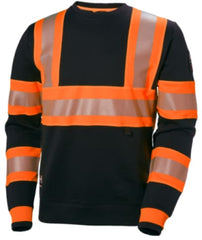
EN ISO 20471 Class 1: Minimum Protection
Class 1 garments provide the lowest level of protection and are designed for environments with minimal risk. These items must contain at least 0.14m² of fluorescent material and 0.10m² of reflective material.
This class is suitable for controlled environments where vehicles move at low speeds (below 30km/h). Think warehouses, factories with forklift traffic, and private car parks. Class 1 garments often allow for portions to be coloured navy or black, making them practical for roles involving dirt or grime.
The key advantage? They're perfect for workers who need basic visibility without the bulk of higher-class garments.
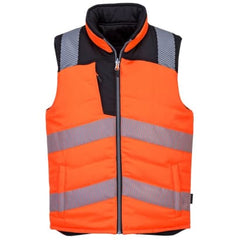
EN ISO 20471 Class 2: Intermediate Protection
Class 2 steps up the protection requirements, requiring a minimum of 0.50 m² of fluorescent material and 0.13 m² of reflective material. These garments work well in areas with vehicles travelling up to 60km/h.
Most hi-vis trousers and short-sleeved polo shirts fall into this class. You'll find Class 2 ideal for construction sites, quarries, logistics hubs, and utility work near moderate-traffic roads.
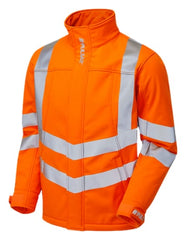
EN ISO 20471 Class 3: Maximum Protection
Class 3 represents the highest visibility level, requiring at least 0.80 m² of fluorescent material and 0.20 m² of reflective material. But there's more to it than just material amounts.
Class 3 garments must cover the torso and have either reflective sleeves or full-length trouser legs with reflective bands. This class becomes essential for high-risk environments with vehicles moving faster than 60km/h, including motorways, railways, and emergency response situations.
The full outline requirement ensures workers remain visible even in adverse weather conditions or low-light environments. When safety margins are tight, Class 3 offers the best protection available.
How to Choose the Right Class for Your Job
Selecting the appropriate hi-vis class depends primarily on your working environment's risk level. Consider the speed of nearby traffic, visibility conditions, and distance from moving vehicles.
Most sites will specify the required class based on their risk assessments. But if you're uncertain? Opt for the higher class to maximise safety. After all, it's better to have more protection than you need than not enough when it matters most.
Key Requirements for Compliant Hi-Vis Clothing
What makes one hi-vis garment compliant while another fails to meet safety standards? The answer lies in precise specifications that ensure maximum visibility when it matters most.
At Active Workwear, we understand that meeting EN ISO 20471 requirements isn't just about following rules - it's about keeping you visible and safe in every work situation.
Fluorescent and Reflective Material Areas
Compliant hi-vis clothing works through a two-part system: fluorescent background material for daytime visibility and retroreflective strips for low-light conditions. The standard demands that at least 40% of the minimum required fluorescent fabric appears on both the front and back of any garment.
This isn't arbitrary - it ensures you remain visible whether you're facing towards or away from oncoming traffic or machinery.
Placement of Reflective Tape
Reflective strips can't just be placed anywhere. They must be positioned to create a recognisable human silhouette, helping others quickly identify you as a person rather than just a reflective object.
The specifications are strict:
- Tape must be at least 50mm wide
- Gaps between strips must be no less than 50mm
- Strips must remain at least 50mm from any hem
- If sleeves obscure torso reflective bands, additional bands must be added to the sleeves
These measurements aren't suggestions - they're essential for maintaining the visibility that keeps you safe.
Approved Colours and Visibility Angles
Only three colours meet EN ISO 20471 standards: yellow, orange, and red. These specific hues provide optimal contrast against most work environments, ensuring 360° visibility regardless of your surroundings.
Ever wondered why other bright colours aren't used? These three have been scientifically proven to stand out most effectively against varied backgrounds, from concrete construction sites to green countryside.
Durability and Wash Cycle Limits
Many garments are tested for a set number of washes (often 25 or 50). Always check the label and replace if faded or damaged. After that, they may no longer provide adequate protection.
To preserve effectiveness:
- Avoid detergents containing optical brightening agents
- Follow manufacturer washing instructions carefully
- Inspect garments regularly for fading or damage
Properly maintained garments will continue providing their intended protection level, but only if you follow these guidelines consistently.
Protecting Your Investment: Proper Care and Common Compliance Pitfalls
Your hi-vis clothing is only as good as the care you give it. Even the highest-rated EN ISO 20471 garments can become useless - and dangerous - without proper maintenance.
Think about it: would you trust a faded, torn jacket to keep you visible when a forklift driver is reversing in poor lighting?
Daily Inspection: Your First Line of Defence
Inspecting your hi-vis workwear before each shift isn't just good practice - it's essential for your safety. Look for these warning signs:
- Fading fluorescent material that's lost its brightness
- Damaged reflective strips with cracks or peeling
- Rips, tears, or general wear that compromises visibility
Replace garments immediately if the reflective tape has lost its shine, the fluorescent colour has faded, or the fabric shows damage. Most hi-vis items have a maximum washing lifecycle of approximately 25 washes before they lose effectiveness. Regular inspection ensures you remain visible, especially in low-light environments.
Company Branding: Getting It Right Without Breaking the Rules
Adding your company logo makes sense for brand visibility, but get it wrong and you'll violate EN ISO 20471 standards. Here's what you need to know:
Branding should occupy no more than 10-15% of the fluorescent area to maintain compliance. Never place logos over reflective strips or essential background materials.
For durability, choose embroidered logos over heat-sealed options. Embroidery withstands frequent washing better, while heat-sealed logos may crack or peel over time.
Washing and Storage: Simple Rules That Make the Difference
Proper care extends your garment's life and maintains its protective qualities. Store garments in dry, cool places away from direct sunlight to preserve fabric integrity. Hang rather than fold to prevent creases in reflective strips.
When washing:
- Follow manufacturer instructions meticulously
- Avoid bleach, harsh chemicals, and fabric softeners
- Use low heat for drying - high temperatures damage reflective properties
Even with proper care, hi-vis clothing has a typical lifespan of only 6-12 months with regular use. Don't try to stretch this timeline - your safety depends on effective gear.
Conclusion
The EN ISO 20471 standard isn't just another set of regulations to follow - it's designed to keep you alive. Every class, every requirement, every specification exists because someone, somewhere, didn't make it home safely from work.
You now understand how Class 1, Class 2, and Class 3 garments differ, what makes them compliant, and how to maintain them properly. But knowledge alone won't protect you. The right hi-vis clothing, properly maintained and correctly chosen for your environment, will.
Most workplaces will specify which class you need based on their risk assessments. Construction sites typically require Class 2 or 3, while controlled warehouse environments might only need Class 1. When in doubt? Choose the higher class. Your safety is worth more than saving a few pounds on workwear.
Don't forget the maintenance side. That faded yellow vest or damaged reflective tape isn't just non-compliant - it's dangerous. Regular inspections before each shift, proper washing techniques, and timely replacements aren't optional extras. They're essential safety practices.
At Active Workwear, we've seen too many workers assume any hi-vis clothing will do the job. It won't. The wrong class for your environment, or poorly maintained garments, can give you a false sense of security while putting you at serious risk.
Your hi-vis workwear is your first line of defence against workplace accidents. Make sure it's doing its job properly, because your life depends on it.
Frequently asked questions about EN ISO 20471 Classes
What are the main differences between EN ISO 20471 Class 1, 2, and 3 high-visibility workwear?
Class 1 offers minimum protection for low-risk environments, Class 2 provides intermediate protection for medium-risk areas, and Class 3 offers maximum protection for high-risk environments. The classes differ in the amount of fluorescent and reflective material required, with Class 3 having the most stringent requirements.
How do I choose the right EN ISO 20471 class for my job?
Select the appropriate class based on your working environment's risk level. Consider factors such as the speed of nearby traffic, visibility conditions, and distance from moving vehicles. If in doubt, it's best to opt for the higher class to maximise safety.
What are the key requirements for EN ISO 20471 compliant hi-vis clothing?
Compliant hi-vis clothing must have specific amounts of fluorescent and reflective material, properly placed reflective tape, and use approved colours (yellow, orange, or red). The garments must also maintain visibility from all angles and meet durability standards.
How often should I replace my high-visibility workwear?
Most hi-vis garments maintain compliance for approximately 25 washes or 6-12 months of regular use. However, you should inspect your workwear before each shift and replace it immediately if you notice fading, damaged reflective strips, or significant wear and tear.
Can I add company branding to my EN ISO 20471 compliant workwear?
Yes, you can add company logos, but they should occupy no more than 10-15% of the fluorescent area to maintain compliance. Logos must not cover reflective strips or essential background materials. Embroidered logos are often more durable than heat-sealed options.
- Posted in:
- EN ISO 20471