Skip to content

RIS-3279-TOM Railway Hi-Vis Guide: Essential Compliance Facts You Can't Miss
- by Mike Johnson
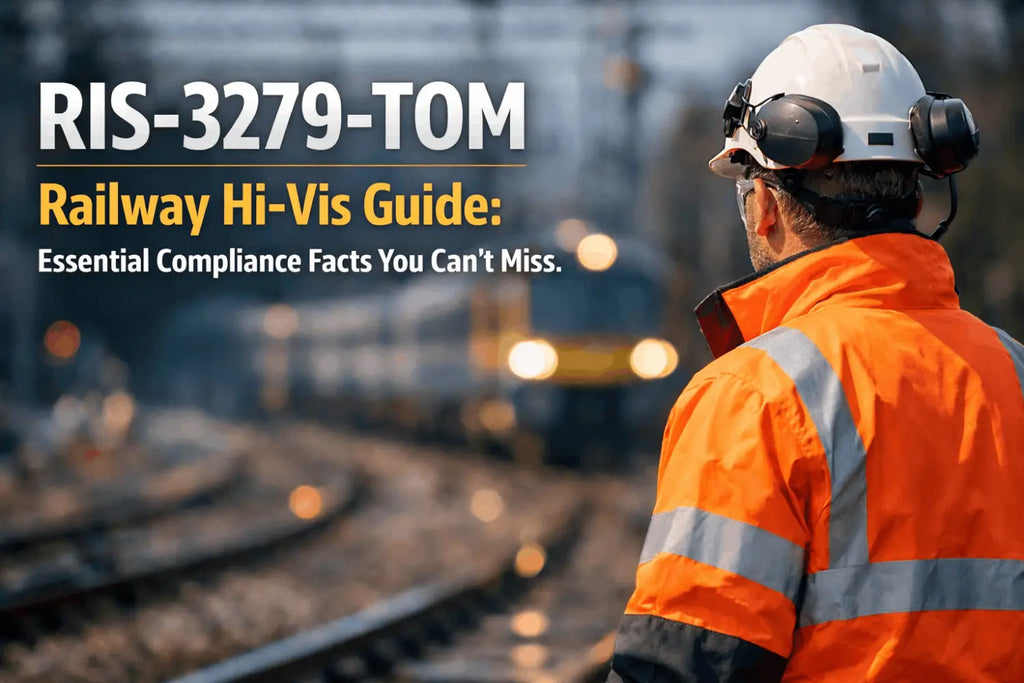
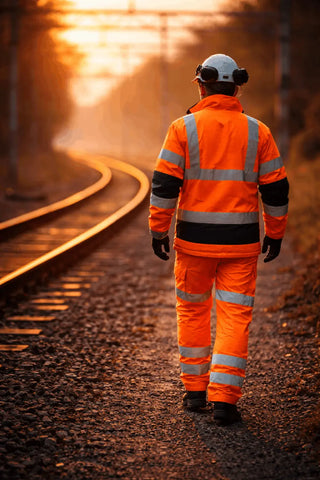
You're working on the tracks during a grey morning when visibility is poor. A train approaches at speed, and the driver needs to spot you instantly to react safely. Will your hi-vis clothing do its job when it matters most?
In Great Britain, the ORR recorded thousands of workforce injuries across rail networks in April 2023 to March 2024, underlining why visibility standards matter. These aren't just numbers - they represent real people whose safety depends on being seen. Proper high-visibility clothing isn't about ticking compliance boxes. It's about getting home safe every single day.
This is where RIS-3279-TOM steps in. It's the UK rail industry's standard for high-visibility clothing worn by trackside workers. Since replacing GO/RT 3279 in 2017, this standard has set the bar higher for railway hi-vis workwear. Every garment must meet Class 2 or Class 3 visibility standards under EN ISO 20471, ensuring you stay visible no matter the conditions.
But what makes rail spec hi vis different from standard high-visibility clothing?
The difference lies in the details that could save your life. RIS-3279-TOM mandates a specific fluorescent orange colour - not just any orange. This precise shade provides the best contrast against railway environments, helping train drivers identify workers instantly. The standard even specifies exact chromaticity coordinates (X:0.588, Y:0.371) with a minimum luminance factor of 0.4.
Ready to understand what keeps you safe on the rails? We'll walk you through everything about RIS-3279-TOM compliance - from technical requirements and common mistakes to testing procedures and maintenance guidelines that keep your railway hi vis clothing effective and compliant.
What is RIS-3279-TOM, and why does it matters
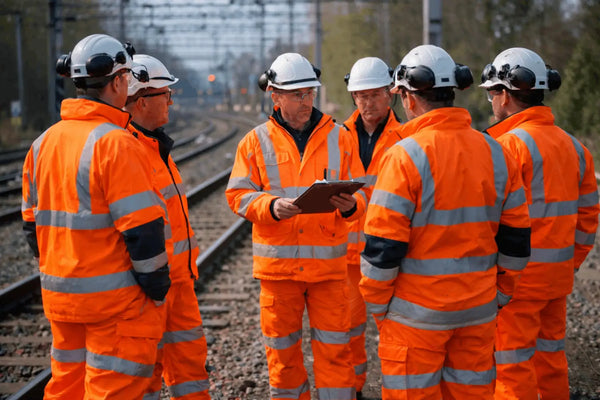
Ever wondered who sets the rules that keep railway workers visible and safe? The Rail Safety and Standards Board (RSSB) created RIS-3279-TOM back in 2016, establishing the framework that protects thousands of trackside workers across the UK.
At Active Workwear, we understand this isn't just another safety regulation - it's the standard that could save your life.
The origin and purpose of the standard
When RIS-3279-TOM replaced the previous GORT3279 National Safety Rule, it brought with it a clear mission: to provide rail drivers, engineers and permanent way professionals with a conspicuous warning of people on or near the line. This railway hi vis workwear standard sets minimum requirements for high-visibility clothing that go beyond basic compliance.
The standard also helps Infrastructure Managers (IMs) and Railway Undertakings (RUs) meet their legal responsibilities to provide appropriate personal protective equipment to their staff. It's not just about having hi-vis clothing - it's about having the right hi-vis clothing.
Who needs to follow it?
Rail spec hi vis compliance applies to everyone who works where railway safety matters:
- Anyone working on or near railway tracks
- Maintenance crews, engineers, and inspectors
- All personnel engaged in trackside operations.
- Staff requiring visibility in both daylight and low-light conditions
The bottom line? If your work places you anywhere within or adjacent to the UK rail infrastructure, this standard isn't optional.
How it differs from general hi-vis rules
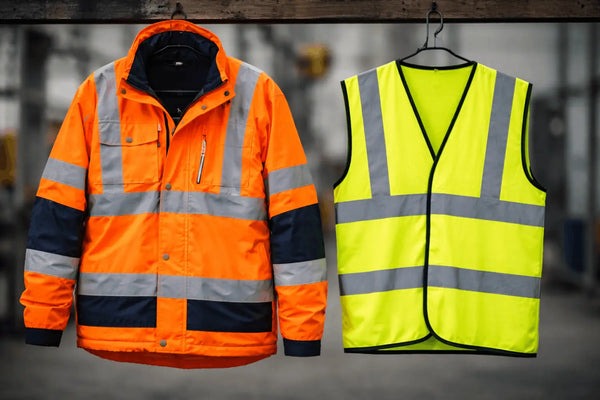
Here's where railway safety gets serious. While general high-visibility standards let you choose from multiple colours, RIS-3279-TOM strictly mandates orange garments only. Why? To avoid confusing train drivers by eliminating any mix-up with yellow and green colours used in train signalling.
But it's not just any orange. The rail hi vis clothing specified must meet precise colour parameters - actually stricter than those for EN ISO 20471 orange-red. You get a brighter, more luminant orange with that minimum luminance factor of 0.4. This specific shade provides optimal contrast whether you're working in rural countryside or busy urban environments.
Think of it this way: ris-3279-tom builds on EN ISO 20471 but adds another layer of regulatory compliance. Your garments must first satisfy EN ISO 20471 Class 2 or 3 requirements, then meet the additional railway-specific colour and coverage rules. It's double protection for a reason.
Key Technical Requirements of RIS-3279-TOM
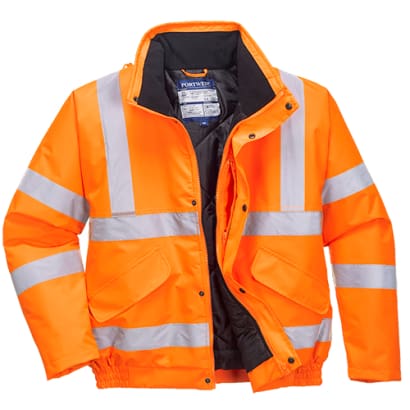
When it comes to rail hi vis clothing, every detail matters. RIS-3279-TOM sets precise specifications that leave nothing to chance - because on railway tracks, being "almost visible" isn't good enough.
Mandatory Fluorescent Orange Colour
Here's where things get specific. RIS-3279-TOM demands an exact shade of fluorescent orange with chromaticity coordinates of X:0.588, Y:0.371 and a minimum luminance factor of 0.4. Why such precision? This particular orange has been carefully selected to contrast with railway signals, ensuring train drivers won't confuse you with yellow signals.
The standard allows some colour tolerance as outlined in EN 20471, but there's absolutely no tolerance for the luminance factor. What does this mean for you? Your hi-vis gear must maintain that specific brightness level - no exceptions.
Class 2 and Class 3 Visibility Levels
All rail spec hi vis garments must meet at least Class 2 of EN ISO 20471 for minimum material use. Think of visibility classes like a safety ladder - Class 1 at the bottom, Class 3 at the top. Class 2 sits in the middle, providing substantial protection, while Class 3 offers the highest visibility.
Class 1 garments? They're not permitted under RIS-3279-TOM. The standard demands more substantial visibility materials than general hi-vis requirements. During the 2020 review, even 'mini-vests' that didn't meet Class 2 requirements got the boot, strengthening the commitment to proper visibility standards.
Retro-Reflective Tape Placement and Coverage
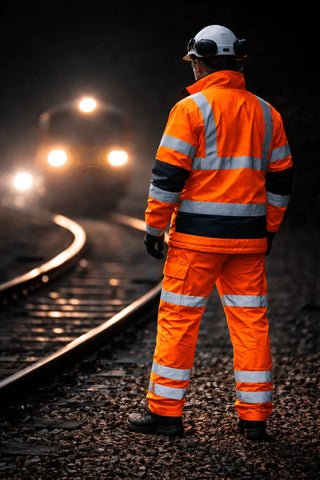
The placement of retro-reflective materials follows strict EN 20471 guidelines. This isn't random positioning - the tape must be strategically placed on the front, back, and sides to outline your body shape.
Picture the typical configuration: horizontal bands around your torso and sleeves, plus bands around the legs for trousers and coveralls. This design ensures you're visible from every angle, especially in darkness or poor weather conditions.
Minimum Material Area and Garment Design
Coverage requirements are non-negotiable. Hi-vis jackets and waistcoats must cover at least half of your torso. Trousers and coveralls need full-length coverage with proper reflective tape placement.
Got company branding in mind? Any logos or company names must not compromise visibility or reduce the visible surface area. Only specific designations are permitted, such as "Rail Incident Officer" or "First Aider". Your safety comes before your brand.
How to ensure compliance with rail spec hi vis
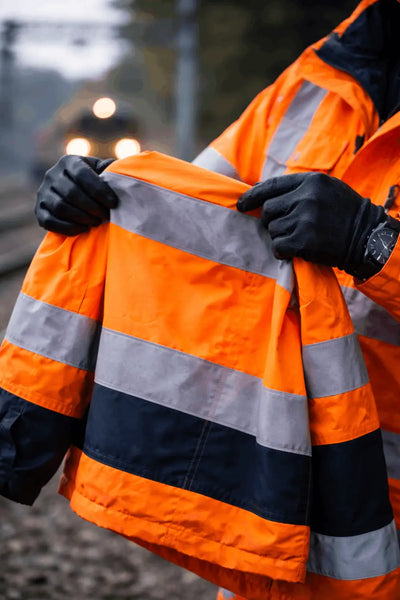
Wearing orange hi-vis clothing isn't enough. Real compliance means understanding the rules that keep you visible when seconds count.
Layering rules and visibility maintenance
Layering is permitted provided that at least one outer garment meets full Class 2 requirements and remains visible at all times. You might wear Class 1 trousers with a Class 2 jacket, but here's the crucial point - that jacket must never be covered by another layer.
Hi-vis fabrics fade with time and washing. Check your garments regularly against care label instructions. Store your clothing away from direct sunlight to prevent colour degradation. Faded hi-vis isn't just non-compliant - it's dangerous.
Mini vests and their limitations
Think you can still use those lightweight mini vests? Think again. Since the 2020 review, the ability to issue staff with mini-vests that don't meet Class 2 requirements has been removed. Any mini vest must now comply fully with Class 2 visibility, colour, and retroreflection requirements.
Branding do's and don'ts
Company logos help create a professional image but must not affect compliance. Branding is only permitted where it doesn't obstruct visibility or compromise the garment's surface area. Whether you're using embroidery or heat seal methods, these modifications cannot reduce the visible fluorescent or reflective material.
Keep it simple. Keep it safe.
Common compliance mistakes to avoid
Here's where workers go wrong most often:
- Failing to replace garments when colours fade or reflective tape becomes damaged
- Ignoring manufacturer washing instructions - this can quickly render even compliant clothing ineffective
- Not regularly inspecting reflective tape for peeling or damage
Don't let these mistakes put you at risk. Your hi-vis clothing is only as good as its condition.
Testing, Certification and Maintenance
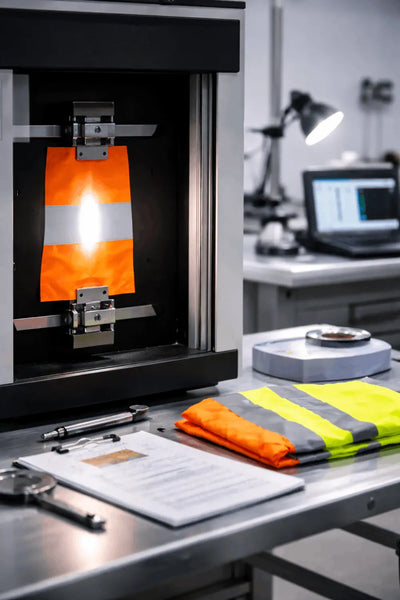
Understanding how railway hi vis workwear gets certified involves two interconnected testing systems. Both work together to ensure your clothing performs when lives depend on it.
EN ISO 20471 vs RIS-3279-TOM
Think of RIS-3279-TOM as EN ISO 20471 with additional railway-specific requirements. Rail garments must first pass EN ISO 20471 Class 2 or 3 standards before meeting the stricter railway criteria. Where EN ISO 20471 permits various hi-vis colours, RIS-3279-TOM demands precisely controlled orange parameters - no exceptions.
How Garments Are Tested and Certified
Testing follows rigorous procedures that simulate real-world railway conditions. Spectrophotometer measurements verify the exact chromaticity coordinates (X:0.588, Y:0.371) and luminance factor (minimum 0.4).
Reflective materials face demanding pre-treatments:
- Temperature cycling to test durability
- Cleaning procedures to assess wash resistance
- Abrasion testing for long-term wear
- Simulated rainfall for weather resistance
Every garment receives EC type-certification through evaluations against both RIS-3279-TOM and EN ISO 13688 standards.
Washing Limits and Care Instructions
Here's something many workers don't realise - every rail spec hi vis garment has a maximum wash limit. Most carry a 25-wash limit unless the manufacturer specifies otherwise. Premium brands sometimes offer enhanced durability up to 50 or even 100 wash cycles.
Why does this matter? Each wash cycle gradually degrades colour intensity and reflective properties. Exceed these limits and your clothing loses compliance - potentially putting you at risk.
When to Replace Your Hi-Vis Clothing
At Active Workwear, we recommend replacing rail hi vis clothing immediately when you notice:
- Significant fabric fading or colour changes
- Reflective stripes losing visibility or peeling
- Any tears, rips or general deterioration
- Reaching the maximum wash cycle limit
Don't wait until your safety gear fails you. Regular inspection should become second nature - check your clothing before each shift.
Conclusion
Your safety gear isn't just equipment - it's your shield against the unpredictable dangers of railway work.
Adhering to RIS-3279-TOM standards remains essential for anyone working on or near UK railway tracks. This guide has shown you how railway workwear demands far more than ordinary hi-vis clothing. Those precise chromaticity coordinates (X:0.588, Y:0.371) and minimum luminance factor of 0.4 aren't arbitrary numbers - they're the difference between being seen and being invisible to a train driver.
Railway sites are unforgiving environments where small details matter enormously. Regular inspection of your hi-vis garments should become second nature. Check for fading, damaged reflective tape, or approaching maximum wash cycles. Proper maintenance doesn't just extend the life of your safety gear - it keeps you compliant and visible when it matters most.
Remember the key requirements: Class 2 or Class 3 visibility levels provide the minimum protection for trackside workers. Mini vests must now meet full Class 2 requirements following the 2020 review. Any company branding must never compromise visibility or effectiveness.
But here's the real truth about RIS-3279-TOM compliance - it goes far beyond following regulations.
Every time you put on properly maintained rail spec hi-vis clothing, you're making a choice that could save your life and protect your colleagues. These requirements might seem detailed, but they've been developed from real-world visibility needs and lessons learned from railway incidents.
At Active Workwear, we understand that your safety depends on getting the details right. Whether you're selecting new railway hi vis workwear or maintaining existing gear, remember that compliance isn't just mandatory - it's genuinely life-saving.
Don't compromise on the standards that keep you visible and safe. Your family needs you to come home every day.
Frequently asked questions about RIS-3279-TOM
What is RIS-3279-TOM and why is it important for railway workers?
RIS-3279-TOM is the UK rail industry's standard for high-visibility clothing worn by trackside workers. It's crucial because it ensures workers remain visible in all conditions, helping to prevent accidents and injuries in the high-risk railway environment.
How does rail spec hi-vis differ from standard high-visibility clothing?
Rail spec hi-vis mandates a specific fluorescent orange colour that provides the best contrast against railway environments. It also requires garments to meet Class 2 or Class 3 visibility standards under EN ISO 20471, with precise placement of retro-reflective tape.
Can I wear any orange high-visibility clothing for railway work?
No, the orange colour for railway hi-vis must meet exact chromaticity coordinates (X:0.588, Y:0.371) with a minimum luminance factor of 0.4. Standard orange high-visibility clothing may not meet these specific requirements.
How often should I replace my rail hi-vis clothing?
You should replace your rail hi-vis clothing when it shows signs of significant fabric fading, when reflective stripes lose visibility, if there are tears or rips, or when you've reached the maximum wash cycle limit specified by the manufacturer.
Are there any restrictions on branding or logos on rail spec hi-vis?
Yes, while branding is allowed, it must not affect compliance. Logos or branding should not obstruct visibility or compromise the garment's surface area. Any modifications, such as embroidery or heat seals, must not reduce the visible fluorescent or reflective material.
- Posted in:
- EN ISO 20471
- Hi-Vis Orange
- Network Rail Compliance
- Rail Safety Guide
- RIS-3279-TOM
- Trackside Safety
- Workwear Standards