Skip to content


Freezer and Cold Store Workwear: The Complete UK Guide
- by Mike Johnson

Cold store work is a different problem to working outdoors in winter. Outdoors you warm up as you move, and you can come inside. In a freezer you are at minus eighteen for a full shift, you are usually moving between that and an ambient warehouse several times an hour, and the cold never lets up.
That constant transition is what catches people out. Kit that keeps you warm standing still makes you sweat when you are picking, and then the sweat freezes against your skin when you go back in.
This guide covers how to layer for cold store work, what actually matters at each layer, and names specific products with prices.
The Problem Nobody Warns You About
Most people approach freezer work by buying the thickest coat they can find. That is the wrong instinct.
The issue in a cold store is not purely cold - it is moisture. You move pallets, you work hard, you sweat. Then you step into the chill and that moisture turns against you. Damp fabric conducts heat away from your body roughly twenty-five times faster than dry fabric.
So the thickest jacket in the world will not help if the layer underneath is holding sweat.
The rule for cold store work is the same as for mountaineering: manage moisture first, then add insulation. Get the base layer right and everything else works better.
The Layering System
Base Layer - the one that matters most
Against your skin, moving moisture away. Never cotton. A cotton t-shirt in a freezer is the single most common mistake, and it will make you cold no matter what goes over it.
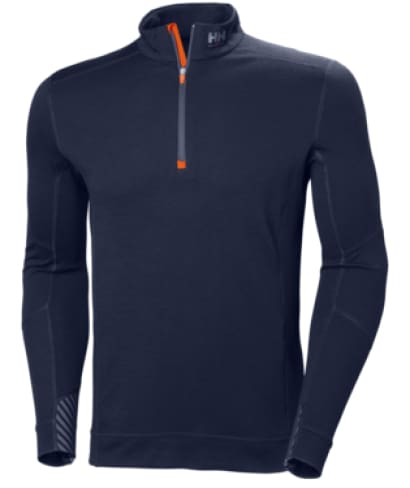
Synthetic is fine and cheap. Merino is better, because it regulates temperature in both directions and resists odour - which matters when your kit lives in a locker between shifts.
- The Portwest Thermal Tee Shirt (B120, £5.81) and Thermal Base Layer Long Johns (B121, £6.09) are the cheapest full set, around £12 for both.
- The Portwest Base Layer Wicking Thermal Crew Neck (B133, £8.19) and Thermal Wicking Long Johns (B131, £8.33) step up on moisture handling.
- The Portwest Dynamic Air Baselayer Long Sleeved Wicking Top (B173, £13.72) is the best of the budget synthetics for high-output work.
For merino, the Portwest Merino Wool Crewneck Baselayer Top (B183, £30.24), the Merino Wool Quarter Zip (B184, £34.09) and the Merino Wool Baselayer Legging (B181, £27.68) are the most affordable route in.
At the premium end, the Helly Hansen Lifa Merino Half Zip Top (75107, £69.00) and Lifa Merino Long John Pant (75506, £59.00) combine a wicking inner with a merino outer. The half zip is genuinely useful for venting at the neck when you step out into ambient without stopping to remove a layer.
Mid Layer - adjustable insulation
This is where you regulate. A fleece or gilet you can take off between the freezer and the loading bay is more use than a single heavy coat you are stuck in.
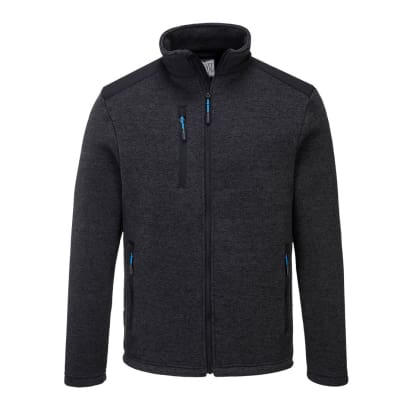
- The Beeswift Endeavour Lined Heavyweight Micro Fleece, 360gsm (EN, £19.68) and the Portwest Argyll Heavyweight Fleece (F400, £15.55), available to 7XL, are the budget heavyweight fleeces.
- The Portwest KX3 Performance Work Fleece (T830, £29.75) is the better-specified option.
For gilets, which leave your arms free for picking while keeping your core warm, the Portwest Shetland Padded Bodywarmer (S414, £21.35), the Flex Workwear Padded Bodywarmer (SFPBWBLGY, £21.75), the Result Urban Ice Bird Padded Gilet (R193M, £22.75) and the Apache Picton Stretch Gilet with recycled polyester baffles (£34.99) all work well.
Outer Layer - insulation and durability
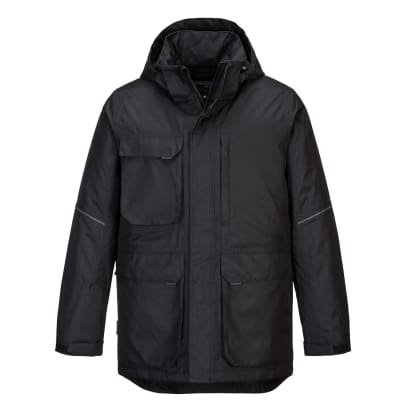
- The Portwest TK2 Limax Insulated Ripstop Waterproof Hooded Jacket (S505, £28.35) is the value insulated option.
- The Apache ATS Waterproof Padded Work Jacket (ATSWPJ, £37.00) and the Result Workguard Sabre Padded Pilot Jacket (R300X, £31.85) are padded mid-range choices.
The Result Workguard Platinum Managers Jacket (R307M, £48.93) uses foil-based insulation, which reflects body heat rather than relying purely on loft. Warmth without bulk, which matters in a confined space between racking.
- The Portwest DX4 Insulated Waterproof Winter Jacket with 4-way stretch (DX460, £57.68) and the Portwest KX3 Extreme Waterproof Quilt Lined Parka (KX360, £58.75) are the serious cold weather jackets.
- The Portwest EV4 Stretch Winter Parka (EV461, £80.93) is the longest and warmest in the range.
The Heated Option
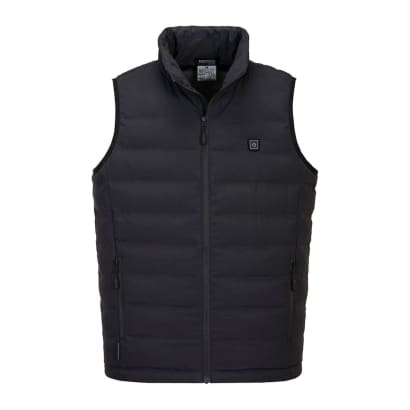
The Portwest Heated Water-resistant Gilet (S549, £67.06) uses battery-powered heating elements. For genuinely extreme or sustained cold exposure - or for anyone with circulation problems who struggles regardless of layering - this does something no amount of insulation can.
Worth knowing the practicalities: battery life, charging between shifts, and whether your site permits battery packs in the work area.
Hands: the first thing to go
Cold hands come before cold feet, and they are the fastest route to a dropped load or a mishandled knife.
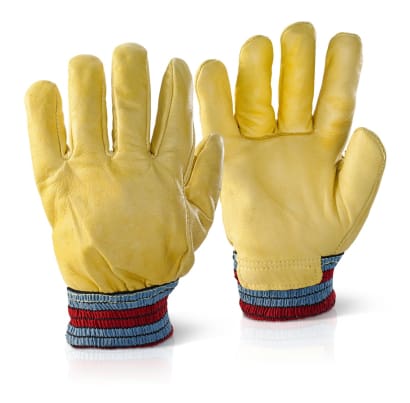
- The Beeswift Large Fleece Lined Full Leather Freezer Glove (FGIMPN, £41.00 for 10 pairs) is the only glove in the range named specifically for freezer work. At around £4.10 a pair it is the obvious starting point for a cold store team.
- The Beeswift Thinsulate Winter Glove with 3M underlayer (THGBL, £30.80 for 10 pairs) uses Thinsulate, which gives warmth without the bulk that costs you dexterity.
- The Portwest Thermo Pro Insulated Cold Weather Work Glove (AP01, £4.69) is the cheapest single pair worth buying.
- The Portwest Thermo Pro Ultra Water and Oil Repellent Gloves (AP02, £51.24 for 12 pairs) add moisture repellency - useful where you handle frosted or wet packaging.
- The Portwest Cold 15 Nitrile Sandy Dipped Winter Handling Gloves (A146, £37.00 for 12 pairs) combine cold protection with grip for handling, and the Portwest Duo-Therm Builders Grip Thermal Glove (A185, £20.40 for 12 pairs) does the same more cheaply.
- The Portwest Winter Shield Fleece Lined Thermal Gloves (A280, £35.00) are the heaviest thermal option.
If you need to use a scanner or tablet without taking gloves off, the Portwest PW3 Winter Lined Multi-Purpose Touchscreen Gloves (A776, £9.17) solve that.
And where cold meets a cut risk - knives, strapping, broken pallets - the Portwest Vis-Tex Winter HR Cut Resistant Nitrile Glove (A646, £5.95) and the Portwest Anti Impact Cut Level C Thermal Grip Glove (A729, £10.29) cover both.
One honest note: we have not been able to confirm EN 511 cold protection ratings on individual product listings. EN 511 rates gloves for convective cold, contact cold and water penetration. If your risk assessment specifies an EN 511 rating, check the product page or ask us before ordering rather than assuming from the description.
Feet
Concrete floors in a cold store pull heat out of your feet continuously. Standing still on them is worse than walking.
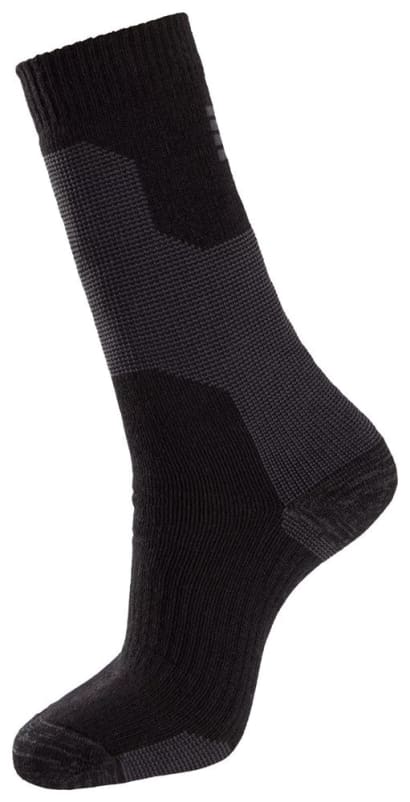
The Portwest Extreme Cold Weather Work Socks (SK18, £5.46) use a 40% wool double-layer construction and are the obvious choice.
Merino is worth considering here too - the Snickers 9227 Thick Merino Wool Terry Socks (£18.20) at 51% merino are the warmest in the range, and the odour resistance matters when socks live in a locker.
A warning that catches people out: thicker socks only keep your feet warmer if there is room for them in your boots. Compress the sock and you squeeze out the trapped air doing the insulating, and restrict circulation at the same time. Cold feet follow. If you are switching to winter socks, check your boots still fit - you may need a half size up.
For footwear itself, look for the CI marking, which indicates cold insulation of the sole complex. That is the specific rating for standing on cold surfaces, and it is different from general insulation in the upper.
Practical Advice for Cold Store Work
Layer so you can adjust. The people who manage best are the ones who can shed a layer at the bay door and put it back on going in. A single heavy coat makes that impossible.
Change your base layer if it gets wet. Working on through a soaked base layer is how people end up genuinely cold rather than just uncomfortable.
Keep a spare set. Kit does not dry overnight in a locker.
Watch for numbness and clumsiness. Loss of dexterity is an early sign of cold affecting you, and in a freezer with moving equipment that is a safety issue before it is a comfort one.
Cover your head. A significant amount of heat loss is through the head and neck, and a beanie under a hard hat or a snood costs very little.
Employers: cold is a recognised workplace hazard and the clothing is PPE in the same way a hard hat is. Under the PPE at Work Regulations, where cold protective clothing is required to do the job safely, it is provided free of charge rather than bought by the worker.
Building a Cold Store Kit
Minimum workable setup, around £50 per person:
- Portwest B120 thermal tee at £5.81 and B121 long johns at £6.09
- Portwest Argyll heavyweight fleece at £15.55
- Portwest SK18 extreme cold socks at £5.46
- Portwest Thermo Pro gloves at £4.69
- A padded gilet from £21.35
Better setup, around £110:
- Portwest merino base layer top at £30.24 and legging at £27.68
- Portwest KX3 fleece at £29.75
- Snickers merino terry socks at £18.20
- Thinsulate gloves
Full setup for sustained exposure, £200 upwards:
- Helly Hansen Lifa Merino base layers
- Portwest KX3 Extreme parka at £58.75 or EV4 at £80.93
- Freezer gloves
- CI-rated footwear
- Heated gilet at £67.06 if needed
Frequently Asked Questions
What should I wear for freezer work?
Layers, not one thick coat. A technical or merino base layer, an adjustable mid layer such as a fleece or gilet, and an insulated outer. The base layer matters most because managing sweat is the real problem in a cold store.
Why am I cold even in a thick coat?
Almost always the base layer. If you are wearing cotton underneath, it holds sweat against your skin and no amount of insulation over the top will fix it.
What gloves are best for cold store work?
The Beeswift freezer glove at around £4.10 a pair is the obvious choice. For dexterity, Thinsulate-lined gloves give warmth without bulk. If you need to use a scanner, look at touchscreen-compatible winter gloves.
Are thicker socks warmer?
Only if there is room in your boots. Compressed socks lose the trapped air that insulates and restrict circulation, which makes feet colder. Check your boots fit with the socks you intend to wear.
Is merino worth it for cold store work?
Yes, more so than most settings. It regulates temperature both ways, stays warm when damp, and resists odour - which matters when kit lives in a locker between shifts.
Does the employer have to provide cold store clothing?
Where protective clothing is needed to do the work safely, the PPE at Work Regulations require the employer to provide it at no cost to the worker. Cold is a recognised workplace hazard.
What does CI mean on safety boots?
Cold insulation of the sole complex - the rating for standing on cold surfaces. It is specifically relevant to cold store work, where the floor pulls heat out of your feet continuously.
Where to Start
The cheapest meaningful improvement is almost always the base layer. A technical top and long johns for around £12 does more for cold store comfort than £60 spent on a heavier coat.
After that, an adjustable mid layer, then proper gloves, then the outer.
Browse thermal base layers, work jackets and fleeces, cold protection gloves and workwear socks. For footwear, see safety boots and look for the CI marking.
Shop Thermal Base LayersShop Cold Protection GlovesShop Jackets & Fleeces
- Posted in:
- Buying Guides
- Cold Store Clothing
- Fleeces
- Freezer Gloves
- Freezer Workwear
- Helly Hansen
- Portwest
- Thermal Base Layers
- Winter Jackets
- Winter Workwear